






















News
European technologies in security and space
Commissioner Andrius Kubilius' visit to CloudFerro highlights the importance of European technologies for Europe's security and operational readiness

News
Commissioner Andrius Kubilius' visit to CloudFerro highlights the importance of European technologies for Europe's security and operational readiness

News
CloudFerro introduces Search Agents & Knowledgebases to Sherlock, making it easier to build AI assistants that answer questions based on an organization's own documents.
METEO Long Term Archive
Satellite, radar, observation and model data, kept for decades on European cloud. The archive scales, costs stay in check and history stays in reach.



Solution Overview
Archives grow as networks expand, missions launch and models gain resolution. Keeping all of it on fast storage costs too much. Losing access is not an option.
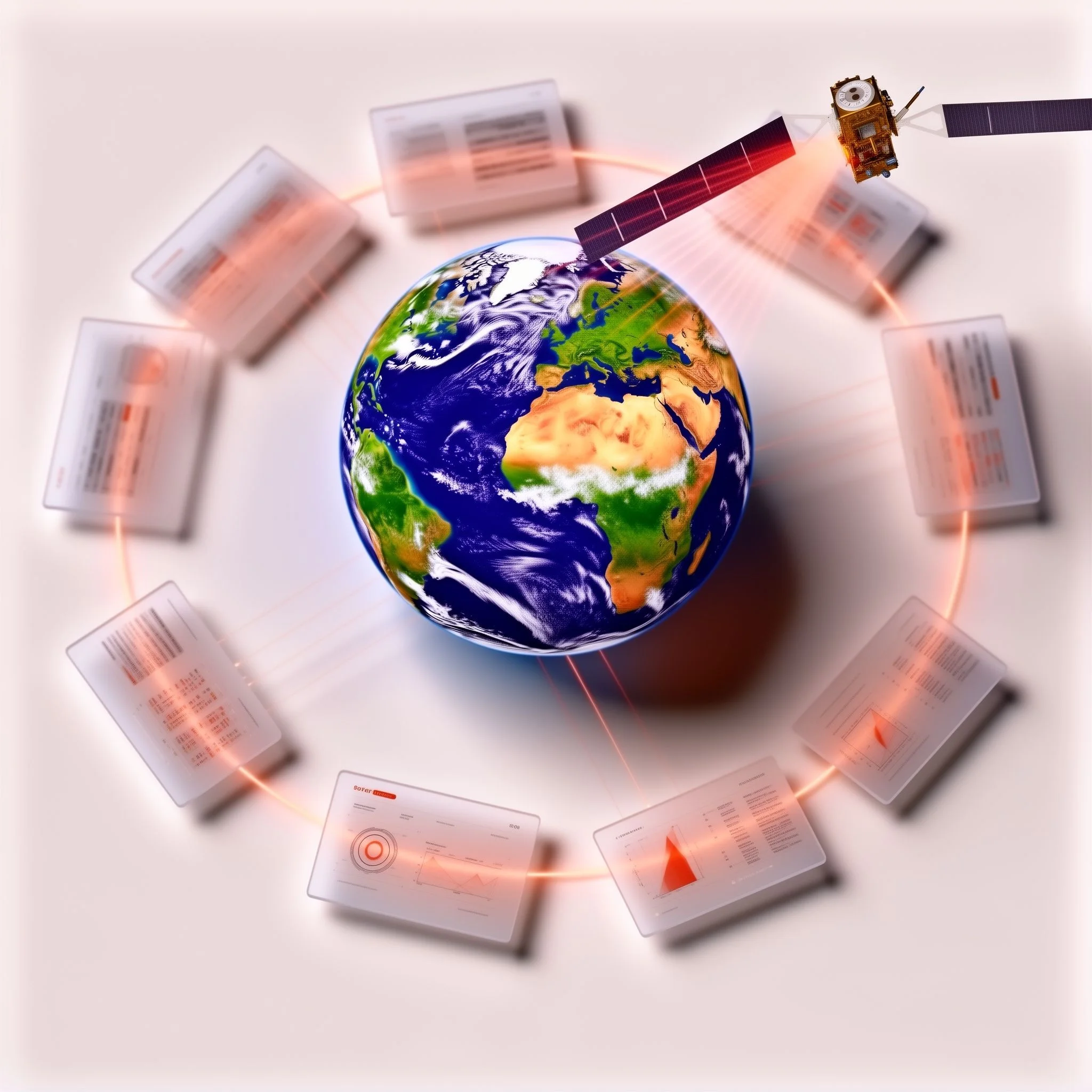
METEO Long Term Archive is European cloud storage for long-term retention of satellite, radar, in-situ and numerical weather prediction (NWP) data. Storage is set to each archive's volume, access frequency and retrieval needs. It runs on its own, alongside METEO Data Platform or next to on-premises systems.
Storage is chosen by how often data is read, how long it must be kept and how fast it may be needed back. Lifecycle rules apply where the service supports them.
GRIB, NetCDF, BUFR and HDF5 stay as they are, with their provenance. Validation, metadata extraction and harmonisation can be added to ingestion where needed.
Metadata catalogues and search tools can be integrated and tailored to data type, area, observation period or any other metadata that matters.
Redundancy, access controls and integrity checks are set to each archive's preservation requirements, so records outlast today's hardware.
Retention periods are defined up front, and the metadata on each dataset's origin, history and context stays with it. Audit controls on request.
Archived data is reached through standard storage interfaces and connects to existing applications, scientific workflows or METEO Data Platform.
Key benefits
Historical meteorological data is a scientific and operational asset. The archive keeps it as it grows, without constant expansion of in-house infrastructure.
Storage is matched to how each dataset is used, so records opened a few times a year no longer sit on expensive high-performance infrastructure.
Archived datasets carry the metadata and access tools researchers and operational teams need to locate and retrieve records when the work calls for them.
New missions and sharper models keep adding data. The archive grows with them, with no repeated spend on storage hardware, and returns decades of records in bulk.
Archives sit in European data centres under EU jurisdiction. Access policies, retention rules and any future migration remain the owner's decision.
Meteorological and climate records keep their value for future research, climate assessments and applications that don't exist yet.
Use Cases
Ready for scenarios where a decision about the future depends on a reliable record of the past.
Researchers work with decades of observations in one place to study long-term trends, variability and anomalies.
Agencies and scientists pull every dataset tied to a storm, flood or heatwave to understand what happened and prepare for the next one.
Meteorological services use archived observations to validate and recalibrate forecasting models, or to run reanalysis.
Public institutions base urban planning, infrastructure design and environmental regulation on long-term records rather than recent memory.
We start with how much historical data there is, where it sits and how often it's read. Then we propose a storage architecture and estimate its cost.
Architecture
Records move from where they sit today into a long-term archive, on a secure, monitored foundation.
Access controls and storage protection cover every dataset. Monitoring keeps the archive reliable and available over time; audit capabilities can be added.
Satellite, radar, in-situ and model archives move from existing storage, with original formats and metadata kept wherever possible.
Storage is set by data volume, retention period, access frequency and retrieval needs, with lifecycle policies where the service supports them.
Datasets come back through supported storage interfaces and integrated access tools. Speed depends on the storage service, data volume and network capacity.
Archived data feeds research applications, existing meteorological systems and METEO Data Platform for analysis, model verification and AI development.
Storage
Create and manage persistent block storage volumes, backups, snapshots and volume groups.
Storage
Manage object storage containers and buckets for S3/Swift-compatible data access.
Components
Scalable European cloud storage with configurable data management and access components, tailored to archive size, retention, access patterns and integrations.
Customer stories
CloudFerro runs cloud and storage for large European Earth observation and environmental data programmes. That experience now goes into meteorological archives.

A cloud computing environment with an integrated multi-petabyte repository of Earth observation satellite data. It is the first commercial element of Copernicus Data Space Ecosystem.
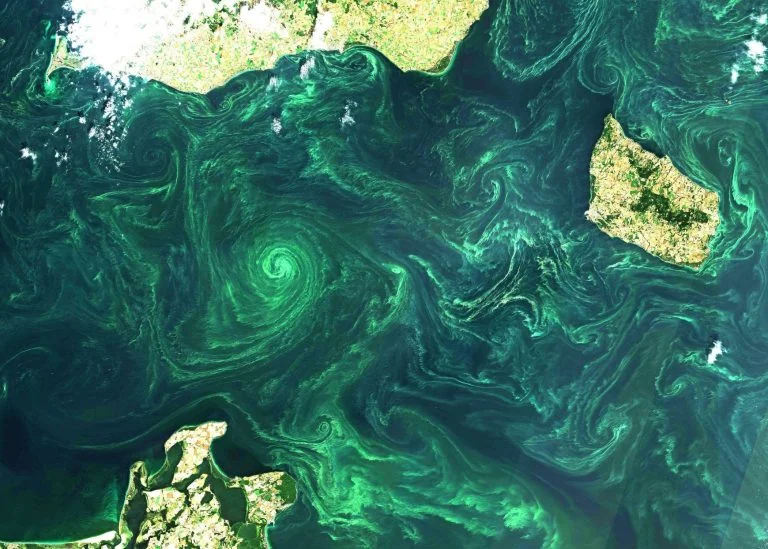
The DIAS hybrid cloud computing, built and operated by CloudFerro on behalf of the consortium, led by EUMETSAT, providing access to satellite data, in particular for monitoring the marine, terrestrial, atmosphere and climate environment.
Compliance
Standards for security, privacy and data protection in cloud environments.
Independently audited cloud security aligned with BSI requirements.
Information security based on the established German BSI IT-Grundschutz standard.
Authorisation to protect EU classified information up to EU SECRET level.
Frequently Asked Questions
Retrieval, scope, location and cost: what IT heads and researchers ask. Anything else, ask our experts.
Accelerate satellite data processing and delivery with an integrated environment for EO data ingestion, processing, archiving, and dissemination.
Meteorological data platform on European cloud infrastructure: scalable storage and CPU and GPU compute for forecasting and AI, with control over the data.
Monitor agricultural areas and CAP requirements with a managed service powered by Sentinel data and cloud infrastructure.